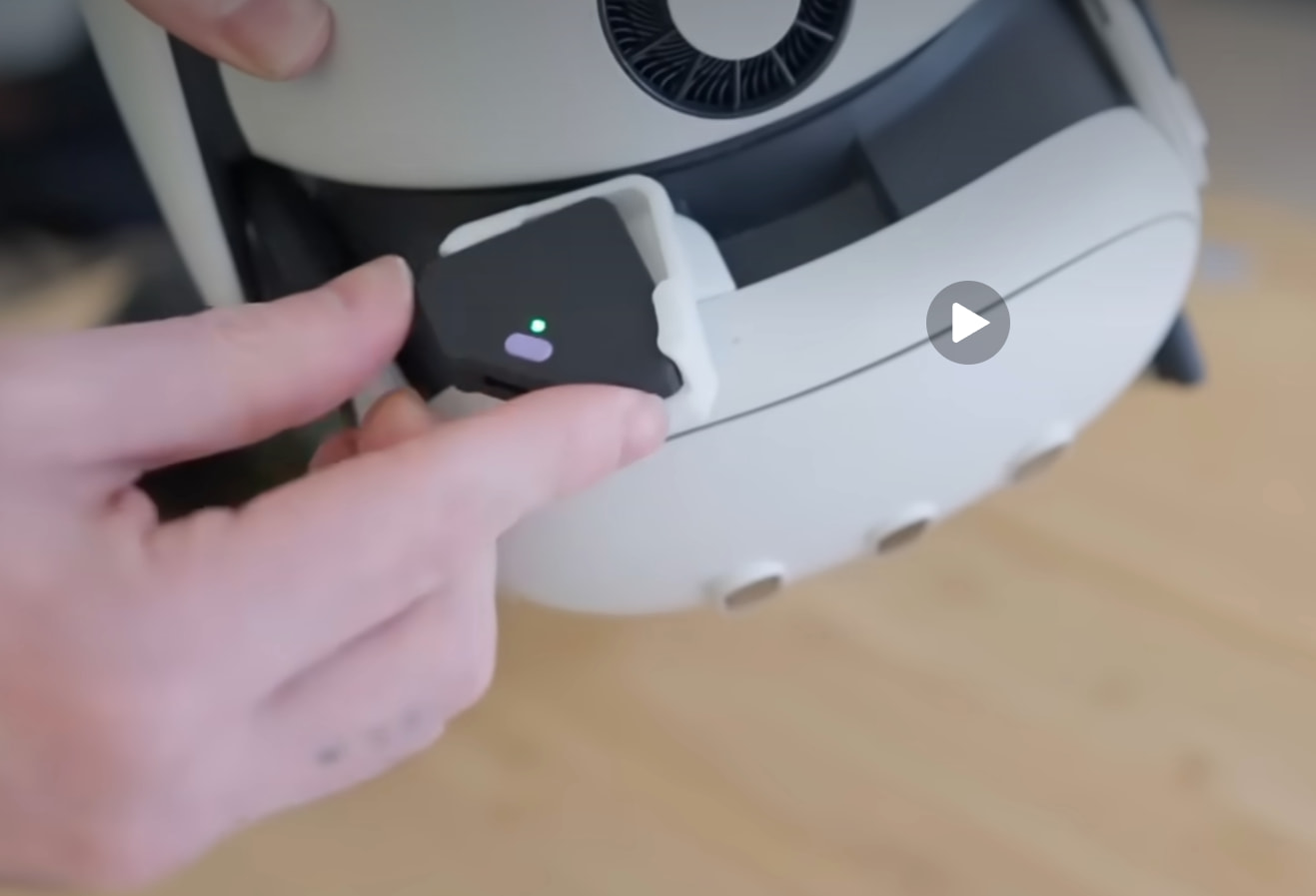
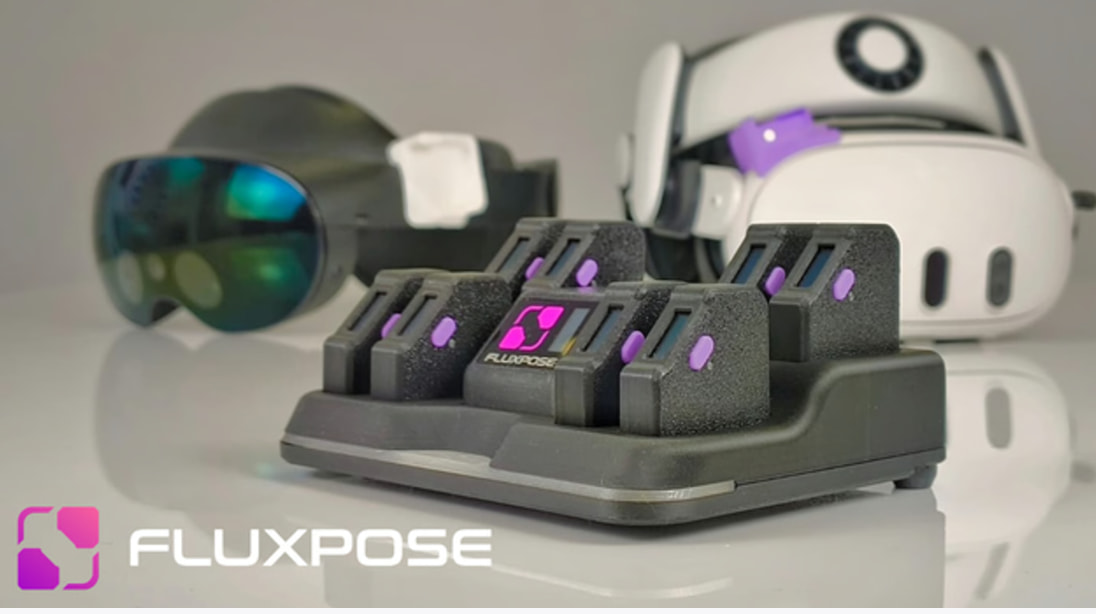
Does anyone know if Pimax is in contact with FluxPose? They are working on a new magnetic full-body tracking system.
They are currently designing an HMD adapter to mount trackers onto the headset, but they’ve hit a technical hurdle: they need to measure the actual magnetic field interference of the headsets to decide exactly where the tracker should be positioned on the adapter. Without physical hardware to test, they can’t guarantee the tracker won’t be affected by the headset’s internal components.
If Piamx can lend them the Crystal, Crystal Super (with Lighthouse Faceplate), and the Pimax Air for these measurements.
With over 5,500+ orders already out there (my order is 55XX…), there’s going to be a massive group of users looking for ways to use trackers with these new headsets. It would be amazing if Pimax could lend them some development units to make sure these accessories work perfectly with the new hardware.
I am not their employee; I am just one of the customers who ordered the tracker.
What do you guys think? Would Pimax be willing to support this kind of ecosystem development?
Well, considering how seemingly feverishly PiMax dish out headsets to YouTube channels while customers are desperately waiting for the very same products they ordered… (OK, that was a bit snarky on my behalf - but spittin’ facts, man!)
I actually think PiMax is searching for areas where its product(s) can be utilised and want to “get a foot in the door” before the opportunity and recognition is gone to showcase its products. Perhaps it might take the FluxPose Devs/Leadership to reach out to PiMax but I don’t think it would be a waste of time trying to make a connection with the PiMax team…
@hirohikojp12345 - Hey, correct me if I’m wrong. Doesn’t the FluxPose magnetic beacon pulse unique, wide-swept emf signals 20,000 times a second to compensate for any external sources of em occlusion and noise between the individual trackers (apparently including the earth’s magnetic field)? Isn’t it strange then to think that they’d need to optimize placement of the HMD adaptor in minuscule adjustments across a VR headset (especially the Dream Air) just to overcome this physics issue when a solution is already implemented? I’m assuming that the problem is more about form-factor, mounting, and USB location that can otherwise be solved with personal 3D printed solutions but I may be wrong.
@PimaxQuorra - Has there been any recent updates with communication between Pimax and FluxPose to develop a mount adaptor? This is a very appealing prospect (personally speaking as well) for users and developers, especially given the Dream Air lineup and Jaap’s recent interview with NovedPlayer about VRChat. I’m looking to compliment my soon-to-be-delivered Slam version Dream Air (thank you, logistics team, for the recent update) with FluxPose’s launch and have already mentioned the Dream Air to about five other acquaintances from work as well. I’d be more than happy to make a recommendation and capitalize on the compatibility with FluxPose as an additional selling point for the Dream Air should it be made possible.