I’m considering buying the Pimax Dream Air, but there are 2 things about the Pimax Dream Air that really disappoint me. I find these engineering and technical decisions quite strange.
- The SLAM version cannot be used with Lighthouse tracking at all. Why?
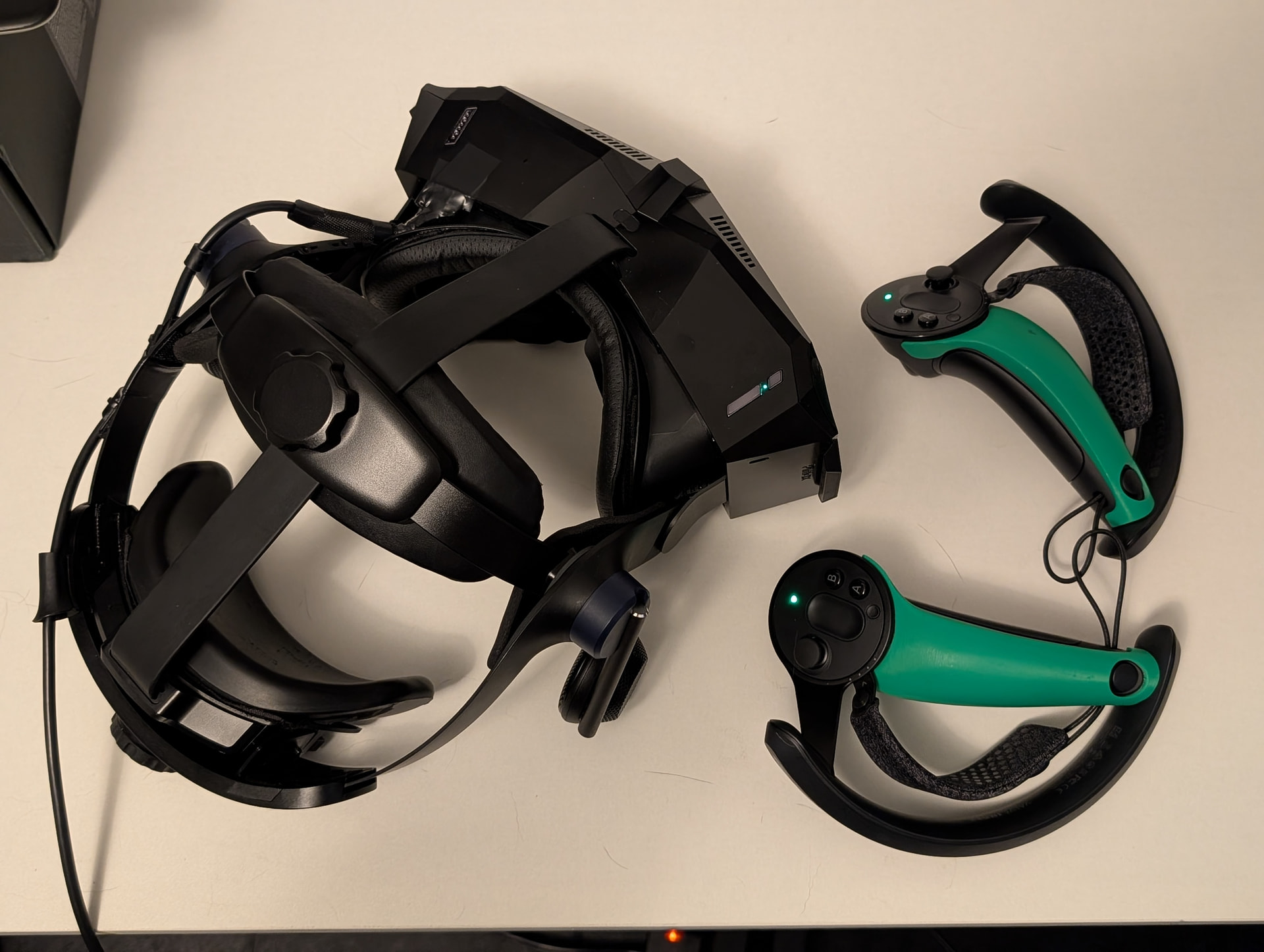
Overall, the headset is extremely modular. Even both stems (left and right) connect to the headset via USB-C and are detachable. There is also a third USB-C connector on the top of the headset. However, there is currently no Lighthouse faceplate for the Dream Air that could connect via this USB-C port, and as far as I understand, none is planned. Or is one actually planned?
I started my VR journey with the HP Reverb G2, which already had inside-out tracking, and then moved on to the Meta Quest 2. So in that sense, Lighthouse tracking feels like a step backward. However, it’s praised for its unmatched precision. SLAM tracking is quite sensitive to lighting conditions and similar factors. I’d be interested in trying Lighthouse tracking, but if I buy the Lighthouse version of the Dream Air, I would obviously lose hand tracking. It would be great to have both options available.
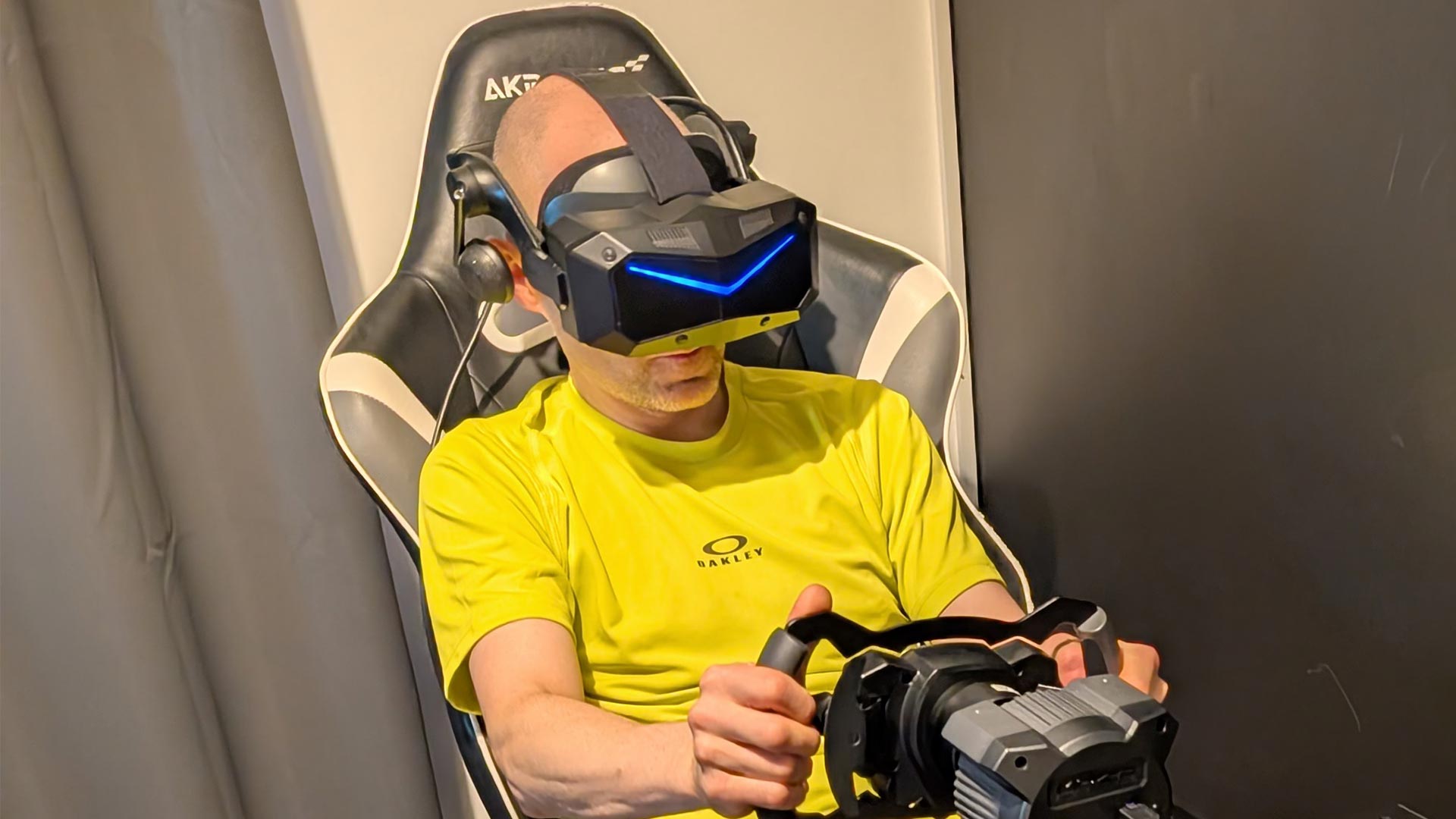
- The Dream Air uses monochrome cameras instead of color ones. Why?
Goodbye, MR! And we’re talking about a headset that costs $2,300!
Is this really about cost? The price difference between color and monochrome cameras is practically negligible, and their cost is absolutely insignificant compared to the total price of the headset.
Moreover, if I understand this correctly, color cameras are actually better for SLAM tracking, because a color image contains more information than a monochrome one.
I understand that this is not a standalone headset and that players are limited in freedom by the length of the cable to the PC, which makes it not good for MR games.
I’m not even sure whether MR PCVR games exist on Steam at all, or whether mixed reality is supported in SteamVR and in the OpenXR runtime from Pimax (even if only in monochrome mode, like on the Meta Quest 2)?
What’s also disappointing is that Valve’s upcoming Steam Frame, despite being a standalone headset, will also use monochrome cameras. However, it’s important to note that Steam Frame is simpler than Dream Air in almost every respect: LCD instead of OLED, 2.5K per eye instead of 4K per eye, and so on. And it’s cheaper. So the Dream Air should really be compared to the Samsung Galaxy XR, which uses the same OLED 4K-per-eye displays but comes with color cameras.
Is a revision of the Dream Air with color cameras planned?
There are already precedents in the VR industry where an improved revision was released after the initial device launch. E.g., Bigscreen Beyond 2 and Bigscreen Beyond 2e, or MeganeX 8K and MeganeX 8K Mark II, and so on.
If not, what are the concrete technical or strategic reasons for ruling this out?


 Meta Project Phoenix).