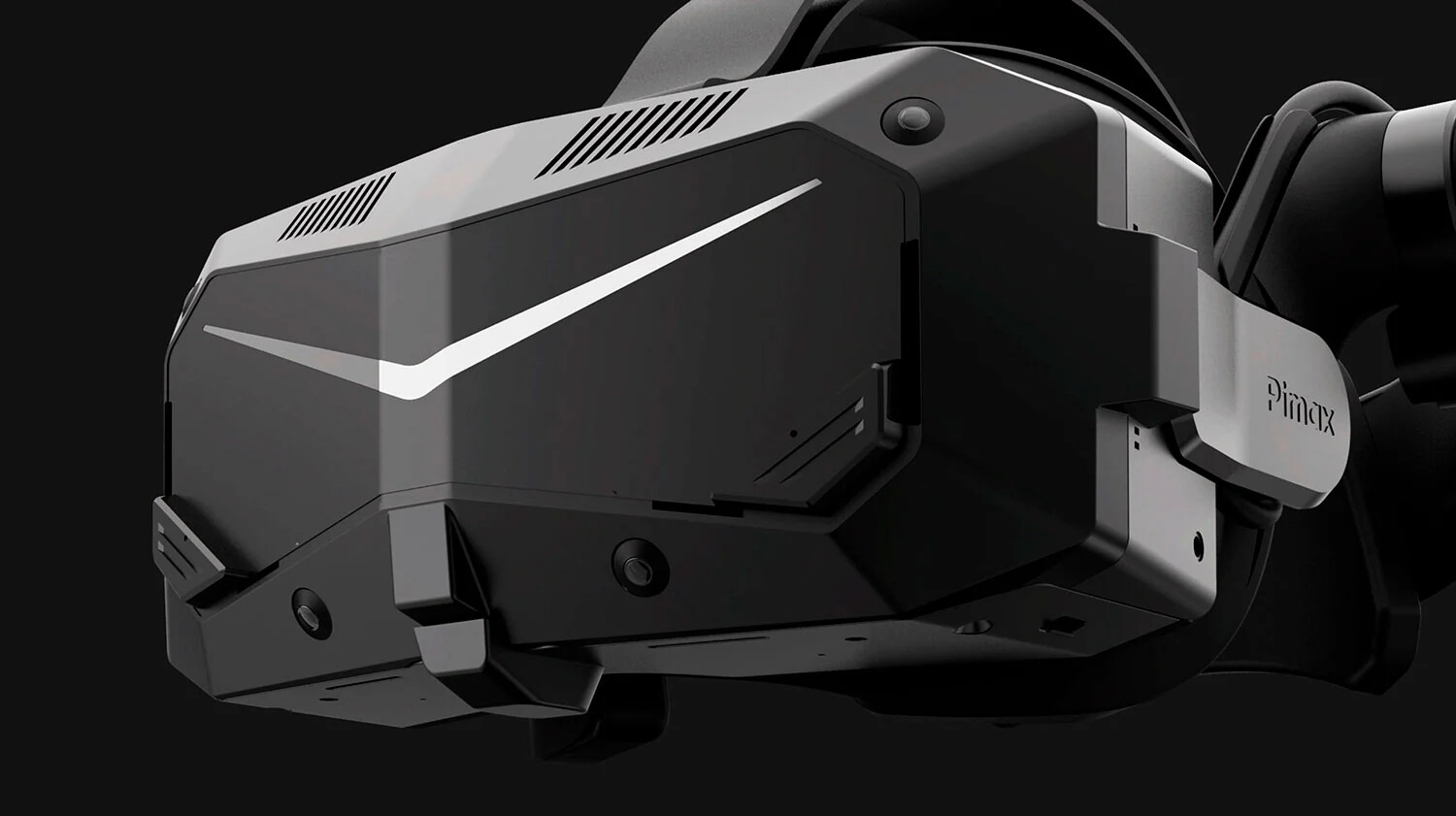
The Crystal Super micro-OLED, Dream Air, and the Dream Air SE all share a lot of core technology, such as micro-OLED panels, Pimax’s ConcaveView pancake lenses, and the accompanying eye-tracking developed by Tobii. We’re not just doing the last tweaks, but are also readying the factory.
Production starting
We have already produced several batches of the Crystal Super micro-OLED. Starting up the production always takes some time as you discover hurdles. The first batch had an issue with 90 Hz refresh rate, and also missed eyetracking hardware, as well as a field of view of around 110 degrees horizontal, because it was using the optical stack for the Dream Air. Subsequent test runs have solved the refresh rate and eyetracking hardware issue, and we have started the external beta test with these headsets. We’ve now produced the optical stacks with over 116 degrees of horizontal field of view, to put these into the optical engines and headsets for mass production. We’re still confident of shipping hundreds of Crystal Super micro-OLED’s this year.
Because the micro-OLED reuses the Crystal Super housing, the whole headset is super mature, so we’re pretty confident of the stability. So far all of the testing is going really well. Several reviewers have reviewed the pre-production sample, and we also have loads of impressions from the roadshows in Germany and the United States.
Read more here.
One area that needs to be worked on is eye-tracking. All the new headsets that are produced now include this hardware. This software fully works, but still needs some more TLC to have it work flawlessly with all eyeshapes and positions. With Tobii we’re confident we can pull that off. Eye-tracking works with 10 infrared lights per eye at 90 Hz, achieving great accuracy at a high frequency.
Dream Air & Dream Air SE update
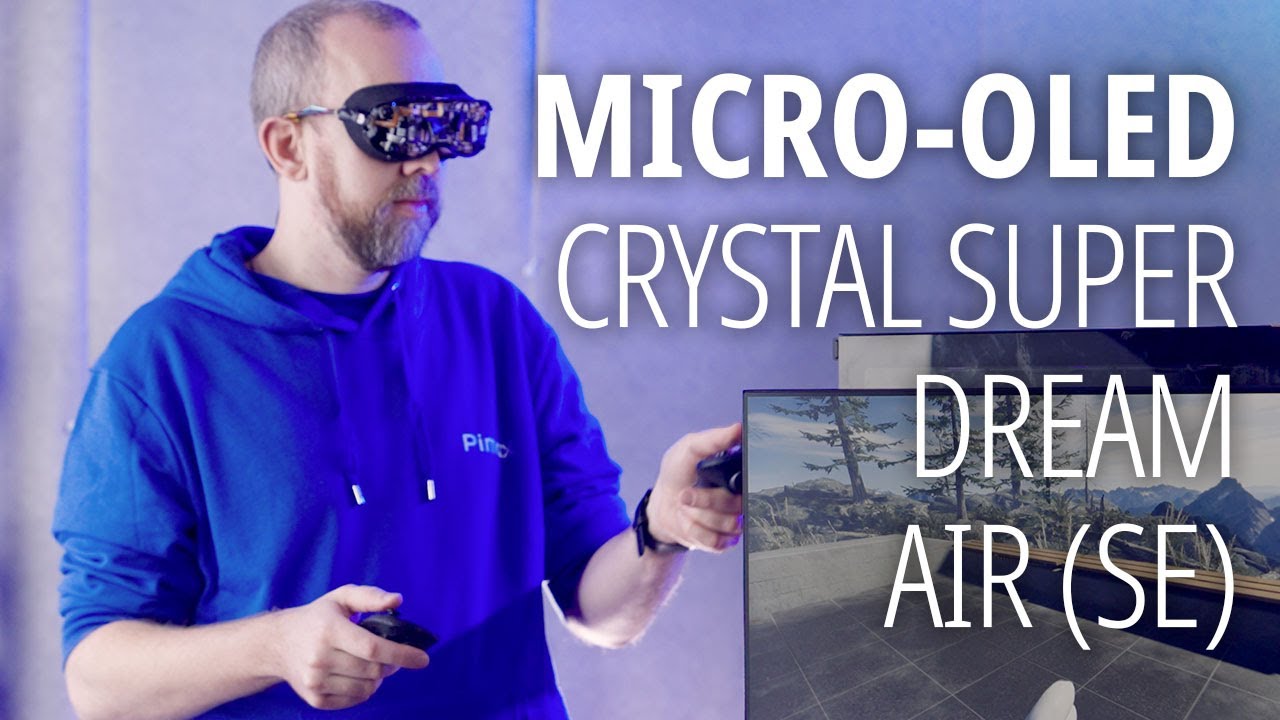
Like the Crystal Super micro-OLED, this headset has been tested by reviewers as well as visitors of the roadshow. The whole optical part is ready, but we’re fine-tuning the comfort, which was the main area for improvement from user feedback, and also the opinion of many people in the office.
So here we have a thicker foam, and this mesh frame is adjusted for greater flexibility. The new 3D shape also fits more face shapes. We have also added improved magnets so that the facemask doesn’t come off as easily. This mesh fabric is also improved for a highly breathable material that still blocks out the light.
We are confident we’ll first start shipping the Lighthouse version, but we have SLAM prototypes as well, which work without any base stations. Also, the ringless controller that uses handtracking for the wrist pose is nearing readiness. We’re still confident of shipping out some small batches this year.
The Dream Air SE is following a similar development cycle. One thing that stood out, literally, was the lens edges. They protruded too much. Those are tweaked now, greatly aiding the comfort.


Lighthouse Faceplate for the Crystal Super
Meanwhile, the Lighthouse faceplate for the Crystal Super has been redesigned to use USB-C rather than the custom-made pin connector that the Crystal and Crystal Light used. More details about this in this blog.


Pimax Play 2.0
Another thing to note is Pimax Play 2.0 is releasing soon. With this upgraded software client we aim to keep the many customization options and powerful features that power our headsets, but make it a bit more beginner-friendly and rethink some of the layout. This also includes our upcoming handtracking software.