Heey Jaap! You really didnt give a an easy start here with this question haha!
Ive been following the VR industry develpment throughout the past 9-10 years and there are many factors that comes into play here. This is just my personal “quick and dirty” POV of the VR industry and why so many companies dropped off:
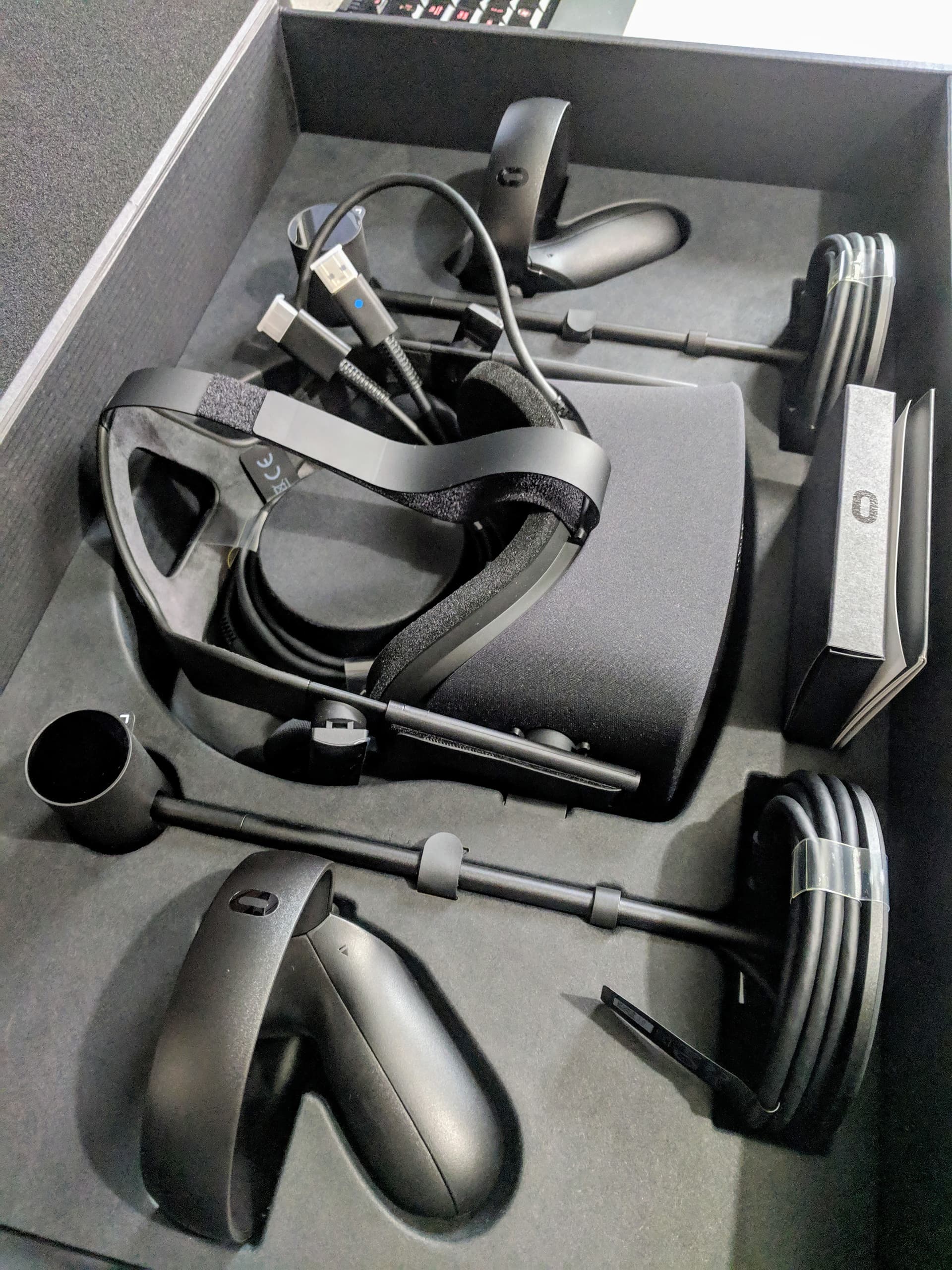
Maybe the biggest factor that a lot of companies dont survive or just abandon VR is lack of true innovation in terms of hardware. Lets ignore Pimax for a moment and look at other brands first. The HTC Vive and Oculus Rift did indeed set a quite high bar already from the beginning, having near flawless tracking, proper immersion and interaction, despite the limitations with low resolution panels and Fresnel lenses. VR was suddely a thing and got big attention.
The second generation with Vive Pro, WMR and other headsets improved the resolutions and some of the brands partially also improved the optics. At that point, future did look very bright for PCVR and VR in general. And then came Valve Index that set a standard for PCVR. So far so good. More and more companies continued to enter the market, despite never really reaching out to the mainstream.
When Oculus Quest got released, it introduced AIO/standalone VR which was great at the time, but from a technical (or visual) standpoint it also took a step back in the evolution. With Quest 1 and later Quest 2, VR as a whole gained huge traction with a broader mainstream audience which is great for VR in general, but not so great for innovation. The PCVR market and enthusiast-level VR suddenly wasnt as attractive to develop, due to its higher price and lower demand.
In my opinion this is when innovation kinda stagnated. We saw a few new PCVR headsets released, but many just wasnt good enough. Low-effort updates with new headsets became a thing. All because big hardware innovations wasnt really necessary anymore. The big audience settled for standalone VR and thets where the money was made.
Also, a mainstream price level of a VR headset became more of a demand from customers, limiting the possibilities to innovate with improved panels, lenses etc. It just wasnt profitable to do PCVR for a while, despite doing cheaper manufacturing in Asia.
People settled with Quest-standard of VR and there was a point where PCVR looked like it was slowly fading away. Most companies that did WMR headsets pulled out, plenty of other former PCVR companies (HTC, Microsoft, Samsung, Meta etc) just couldnt see the benefit of innovating PCVR when the demand wasnt high enough and margins were too low if they tried to keep reasonable pricing.
Thankfully, PCVR survived thanks to a shy number of smaller companies that - despite the risk and high costs - kept innovating throughout the years. Pimax for instance, while starting as a small company, a croudfunded project back in 2016 or so, kept growing and never gave up on continously innovating. Innovating not only in terms of panels, but also with new and quite unproven features like a wider FOV, eye tracking, DFR, new types of glass lenses etc.
All this was obviously attracting the high-end and enthusiast-level VR audience that never gave up the dream of “perfect VR”. Instead of being a copycat, Pimax created its own niche and continued on that track, taking the risk. Meanwhile, a whole bunch of companies gave up or simply switched focus to mainstream products or even abandoned VR altogether.
But thanks to the smaller high-end VR companies that managed to survive, in the past few years, we now also start to see new companies popping up and heading this way. Finally innovating VR with better visuals, better panelsm, better lenses, a more realistic VR experience. And especially the small form factor for VR headsets helped a lot, where Pimax also been developing for years and now coming with the Dream Air and Dream Air SE.
So thanks to the continous innovation by a few “small players”, we can now combine high-end hardware in a small form factor headset, which looks to be the next VR standard. And today it looks like PCVR is finally growing again and future looks bright.
So to answer your question why so many companies left the industry: Simpy lack of innovation over the years, too afraid to taking the risk and too distracted by the mainstream standalone-VR hype that Meta created and isolated withing its own platform, eventually not allowing other vendors to take part of.
I might be completely wrong here, who knows. But this is at least how I perceive it, by following the development of VR industry the past a decade.
This also why Im still here with Pimax. Innovation keeps me excited for the future