Not quite ty Steam Frame is using a Snapdragon gen8 processor. So not the And apu like the steam deck
This AC s why there will be a certified game liat in the Steam Frame similar to Steam deck.
While I is running SteamOS(Arch Linux base) it is Tailored for Arm.
As for how good it will b remains to be seen. It will be decent if priced for the general consumer it is targetted for
The hacker but sounds good as maybe th one terrible thing can be maybe fixed as it was in Steamdeck with an after market kit to change th so splats to maybe 2560×2560. I am disappointed in the res of the panels being only a G2.
@Atmos the Steam machine will be able to run other apps and with that so will the steam frame. The SteamOS can be booted into a desktop mode & due to being Linux can be customized.
But other than finally having a true Linux native VR hmds it is fairly disappointing. I think they should have went the SulonQ route using an AMD APU.
Something that might be interesting as well. Is if Valve releases their Arm SteamOS for standalone headsets. Imagine if you could put that in the OG Crystal
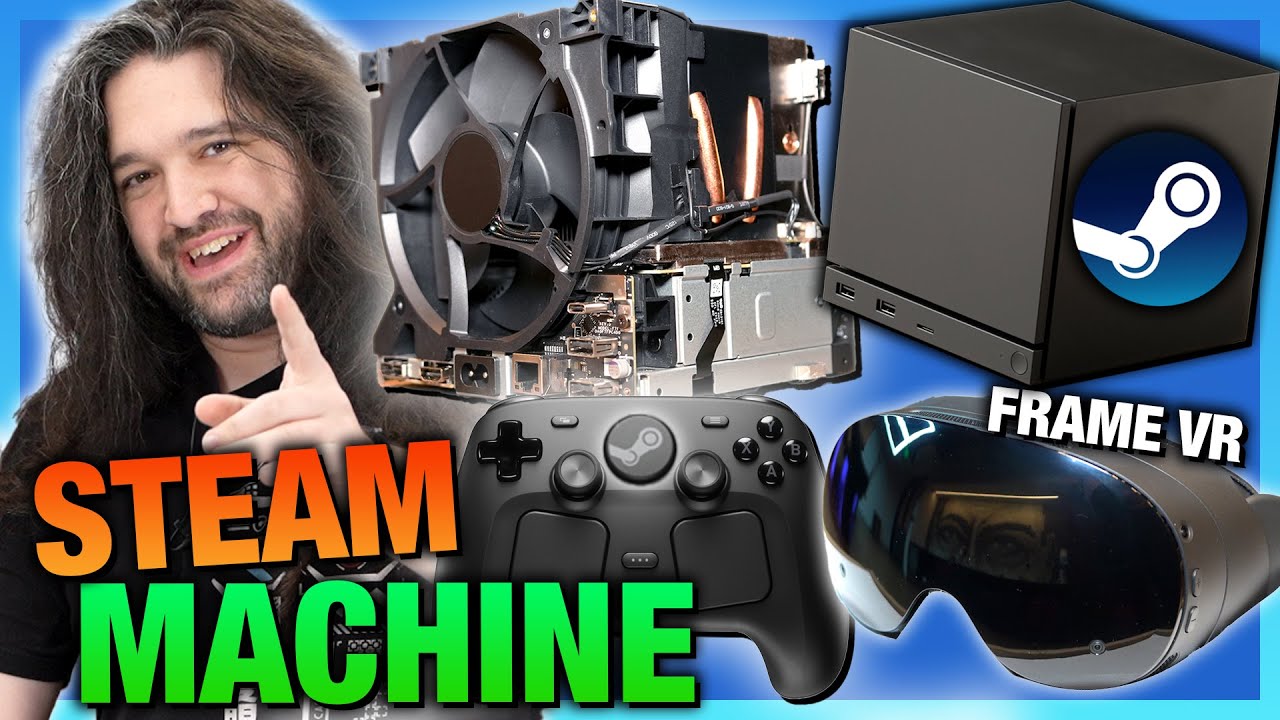
Valve has made several hardware and operating system announcements, including the Steam Machine mini PC, Steam Frame VR headset, and a new Steam Controller (0:00). These products are set for release in early 2026, with pricing still to be determined (0:58).
Here’s a breakdown of the announcements:
Steam Machine
Purpose: Valve’s first-party supported desktop deployment of SteamOS, positioned as an entry-level computer rather than a console (4:49).
Hardware: Uses an AMD 6-core 12-thread Zen4 processor with its IGP fused off and a separate semi-custom RDNA3 28CU GPU with 8GB GDDR6 VRAM (5:36). It also features 16GB DDR5 5600 laptop memory, M.2 storage (512GB or 2TB), and a micro SD card slot (5:16).
Ports: Includes DisplayPort 1.4, HDMI 2.0, Gigabit Ethernet, USB-C 3.2 Gen 2, USB 2 Type-A, and front USB 3 Type-A ports (6:11).
Thermals & Design: Features a 120mm pull fan for airflow, with intake from the bottom and front perimeter (7:09). The power supply is internal (13:03), a design choice Valve made to provide a true internal power supply unlike some mini PCs that use external bricks (12:42). The design emphasizes fitting into living room media units (14:00).
Modularity: While the CPU and GPU are soldered (BGA solution) for size and thermal reasons, limiting upgradeability (9:47), the system RAM and SSD are upgradeable (18:10). Users can also access a laptop-style BIOS with some tuning options (9:21).
PCB Design: Utilizes a 10-layer PCB due to the complexity of routing GDDR6 memory, employing techniques like back-drilling to prevent signal interference (18:49).
Steam Frame VR Headset
Key Feature: Focuses on a bandwidth-saving “foveated streaming” solution, which applies foveated rendering concepts to streaming (21:17).
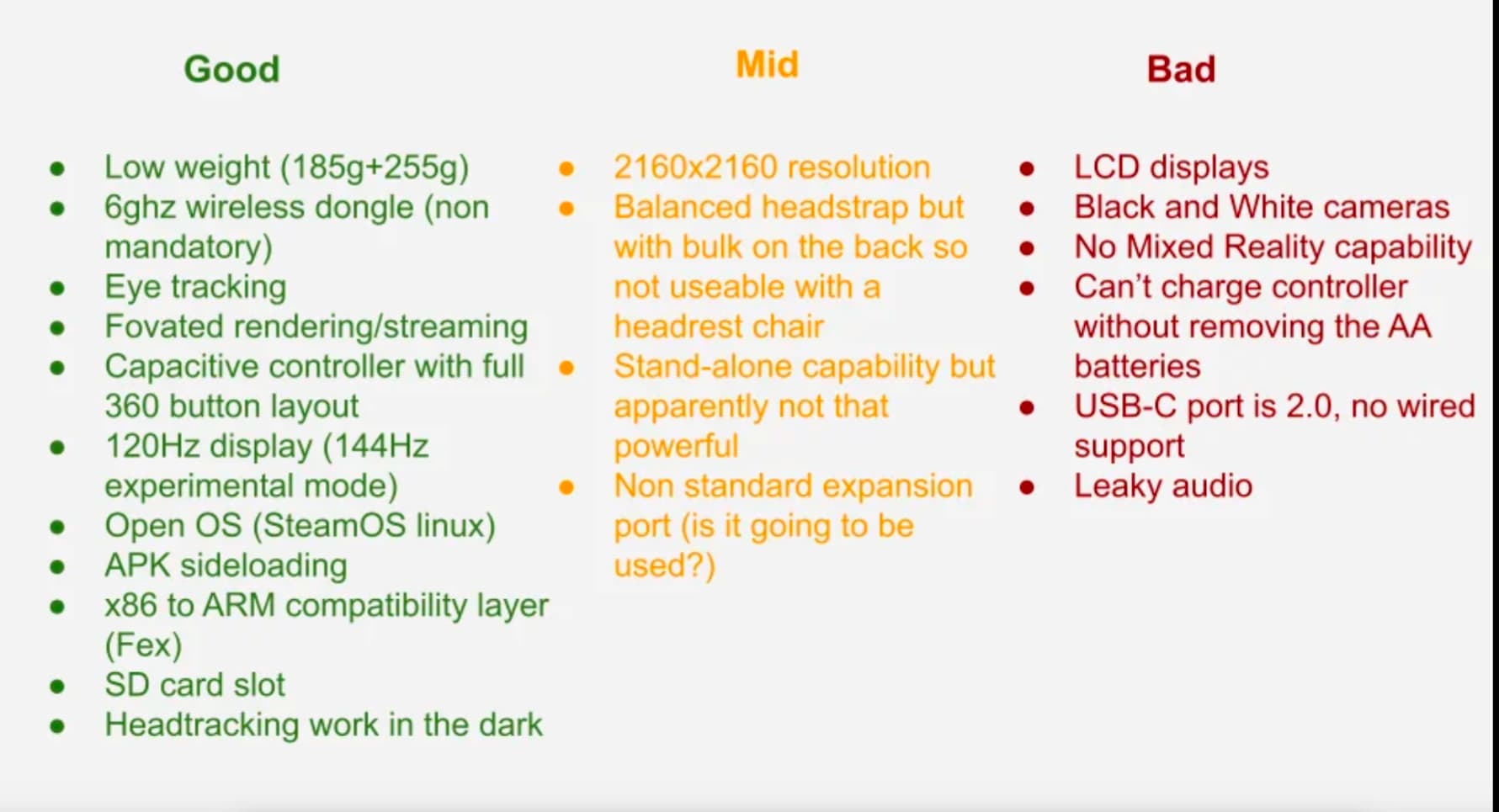
Design & Components: A modular, 440g headset with a front-mounted 185g core unit (ARM-based computer) and a back-of-head battery (23:07). It uses a Snapdragon 8 Gen 3 8650 ARM solution, 16GB LPDDR5X, and comes with 256GB or 1TB storage, plus a micro SD card slot (22:14).
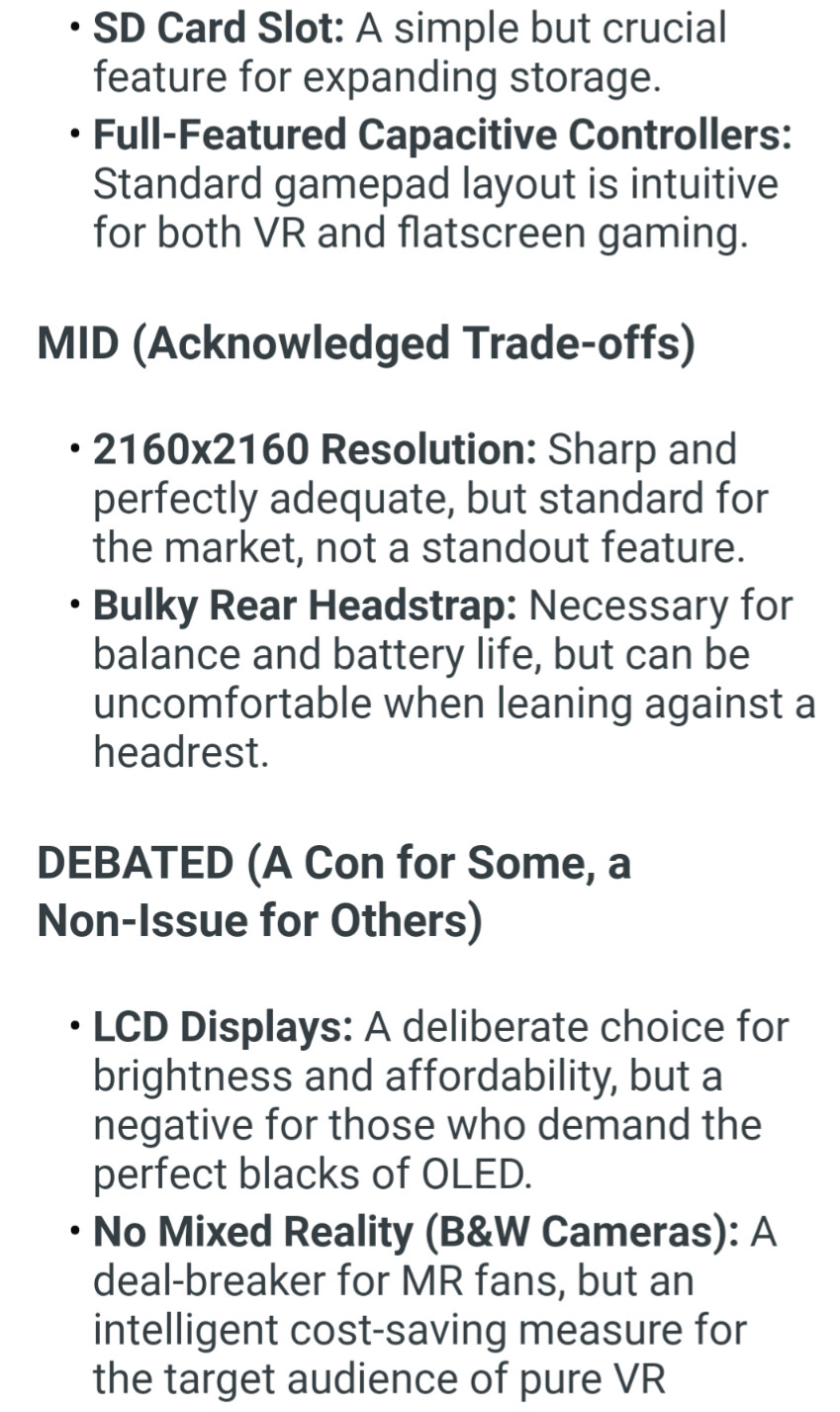
Display & Tracking: Features pancake lenses, 2160x2160 resolution LCDs, a 120Hz refresh rate (144Hz experimental), and up to 110° FOV (23:22). It has four external monochrome IR-sensitive cameras and two internal eye-tracking cameras for foveated streaming (22:40).
SteamOS on ARM: This marks a significant expansion of SteamOS beyond x86 handhelds into VR headsets (23:47). It includes ARM native compilations of DXVK and VKD3D, and uses FEX emulation for x86 game compatibility (24:03).
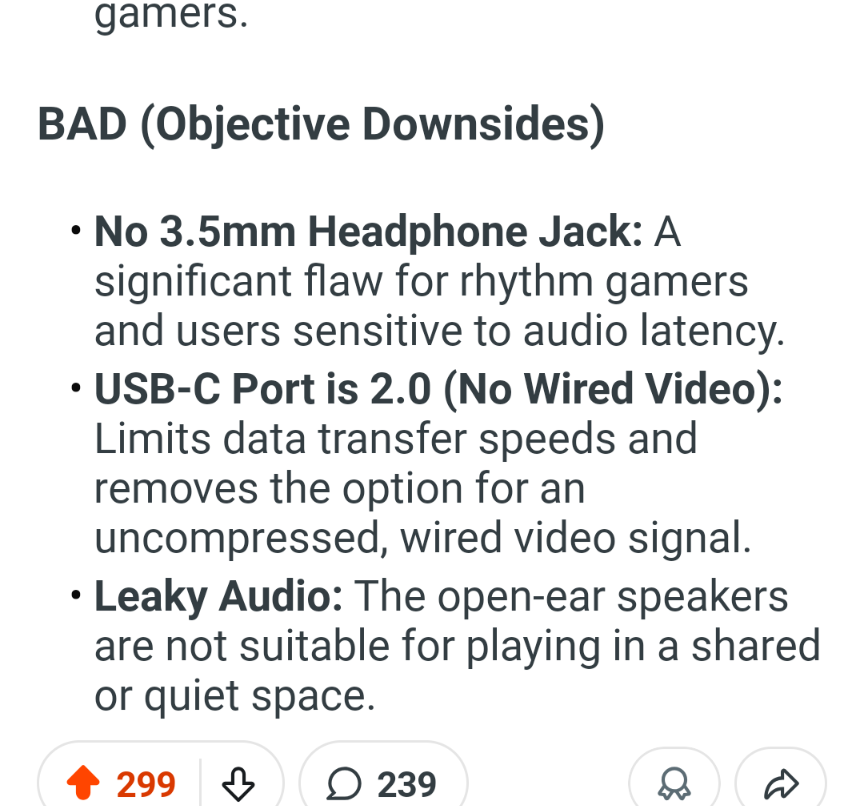
Streaming: Can stream games directly from a PC using an included 6GHz USB router, offering a dedicated, low-latency link (27:25). It is also Wi-Fi 7 capable (28:07).
Thermals: Uses two heat pipes and a single custom blower fan to manage heat, with ventilation pointed away from the user (33:39). The display’s warmth is beneficial for faster transition times in VR (34:13).
Modularity & Repairability: The face gasket and core module are easily detachable, promoting user customization and cleaning (32:50).
New Steam Controller
Features: Includes TMR thumbsticks (42:16), capacitive sensing for finger tracking, and a full set of standard controller buttons (23:26).
Power: Takes regular AA batteries (23:36).
Connectivity: Features dedicated antennas for Bluetooth and specifically for the Steam controllers (6:32).
yes yes, they told us so many times how open thier R1 will be with all open specs & open hardware interfaces, some kind of opensource, & how all devs will contribyte to it, so many ppl threw money in it & after all those years complete silience & price for 2018 grade resolution hmd for 1300 $ only for business, ouch, its so opensource.
And now Google flip them off with OS & they need to develop it on thier own, good luck, lol
I’m more interested in the ergonomics and possible modifications than the paper specifications of the hardware.
I’m sure Valve have done a good job because the index had dated specifications (displays) on release but it actually looked very good with super resolution if you have a powerful GPU, they had a very well engineered microcrystalline display diffuser on each panel which did a great job of hiding screen door effect
I’m still having great fun using my Index for rhythm games and social can run 120/144hz mode with hefty super resolution using my 5090
At least somebody on this forums remarks actual UX and Valve’s higher hardware fidelity rather than plain paper specs.
Also nobody mention 144hz refresh rate & builtin high grade eye tracking, it looks like those are so minor, self assuming things not requiring any attention. Index is still most butter smooth & fast paced hajes friendly hmd ever & they had ohe of the best reprojection & performance optimizations on the market
Not just paper specs, some reviewers also said that they found the sde to be worse than on the meta 3. That alone is enough for a no go for me.
I loved my index. I remember that Pimaxusa accused me of working for them . It was just so well engineered even though the specs were not impressive. But I feel the specs are now, relatively, even way worse. Sde + lcd is just not feasible for me in 2026. i will stick to my avp and Samsung xr
If not heat management issues & awful persistence microoled would be a really nice panels. But persistance is bad for fast paced games & immersion is greatly affected (smearing), while its good for media consumption, the prolonged productivity scenario works way worse, also in IDE you always move your head from left to right or vice versa & that milliseconds blur annoys a lot. I always loved OLED & enjoyed playing some games / dark scenes although for PC replacement & sport / fps games LCDs yet work the best way. You just consume content & everything just works, you don’t feel a heat radiator attached to your face after 3-4 hrs of use.
I would like actually to have bsb2 LCD variant, LCD for work & uOLED for media / dark games
The 144hz is old news as the index had it and pimax matched and surpassed it.
And it is still labelled experimental. With the low res panels in theory it should be able to match the 5kSuper.
If the Frame ends up as hackable as the Steamdeck is then it will be great to see after market panel upgrades. As well as storage. Imho the 256g should really be 512g as the lower their model. As with the minimum size of games is much larger that 256g even with an option to use slower microSD card to expand storage.
Don’t mistake that the negatives make it all bad. Honestly there really was no reason to not aim to use 2560x2560 panels and with that go with a QLED LCD with local dimming.
The Steam Frame fits with the new hardware Steam is releasing.
One of the biggest proes is not going the Android VR/XR route. Hopefully Valve will without any need for ppl to have to do it. Makes the Arm SteamOS open for other manufacturers without the restrictive nature’s if Google and Meta. That will definitely strengthen the pcvr/mobile platform in Valve’s favor.
The other plus is the Foveate Streaming will not be tied heavily to Nvidia like Tobii Foveate Transport iirc.
The ET is decent and will serve well for lower end GPUs. However a high end PC with the dual wifi 7 will not really need to leverage the ET on those panels. Pimax has demonstrated the Wifi 6 on the og Crystal is working quite decently. So really on some sides the dual wifi 7 seems like overkill but the latency benefits even on a G2 res portable will and is even tempting ppl with the Meta quest 3 who really hate the compression artifacts
But again it will help push ET into the mainstream; which is direly needed to push adoption.
performance, its already in its around max potential to run at normal refresh rates on that mobile SoC
the main reason is price, with high end panels it will cost not less than 999$, I believe they aim to make affordable hmd with decent quality & premium grade software, index costed 500 + 250 controllers without base stations, they kept option for high end audio strap & ditched speakers, the strap is soft, controllers without accumulators, everything says they will price it around 450-650$. They said mb they will provide audio strap later for core module in one of the review vids. Their goal is well selling hmd with as much users as possible, same what FB \ Oculus did. Same With Steam box, they could make high end PC which would die without user base, instead they went max affordable console way, minumum cmponents, max manufacturing / price efficiency, everybody will benefit from it in terms of ET games support, software / linux / drivers dev, new VR & 2D games etc.
I stopped my Pimax journey at 2nd 8kx (i have 5kx, 5xr, 8k pentile, 8k & 2 8kx, first had terrible Mura)
No one of the hmds could do close to index in terms of perceived refresh rate & smothieness with green VR graph without spikes, it just feels like real 120\144Hz rather than paper spec with unoptimized drivers, I couldnt say Pimax had bad software at that times, you could get decent performance but it wasnt as fluid as Index panels.
The most underrated Frame’s eature is that it most probably will be the closest to ideal & most technologically advanced device for PCVR streaming capability reflecting all current technologies capabilites. We had many good candidates, I guess the most close was Vive pro with dedicated 60GHz module. Good hardware isnt enough for this task everything should be optimized as much as possible to get that level of fidelity - drivers, protocols, ET with foveated rendering \ streaming, firmware, operation system layer optimizations, platform (Steam) at the end, dedicated transmitting \ receiving hardware & the technologies holder (Valve) who fouses on the streaming as main Frame feature, it can give the world something exceptional finally.
What for Frames bettery - its perfect move for enthusiasts & modders, you can keep core module & extend battery to pocket, remove not neded weight & get around 220-270gramms in total device.
LCDs also isnt bad (red) but more mid (yellow) point, you decide do you need smearing, dimm picture, greatly increased heat but good blacks \ contrast vs zero persistance, 144Hz, more brightness, less heat but greys & lower contrast
The bump per eye of 360x360 per eye would not impact the battery life much at all. You can run at lower res as well. So not an issue. The mobile SoC is more than capable of running the Qhd screens at the prescribe refresh rates detailed by valve without any real issues. My LG G8 thinqX dual screen case runs at a much higher res than dual 2160x2160 even when running at 120hz mode in high processing usage and brightness.
So that leaves price per panel as these are essentially old news. As for Qled with local dimming? It helps reduce power by not running the full backlight as different zones will run at different brightness levels.
The plus is that just maybe the low res panels may later like the Steamdeck have after market upgrades available. The bonus of also using a linux OS
GPUs can now easily fully run the 5k & 5kSuper panels at these rates since those early days. Wide FoV and that much more res back then along with pimax driver maturity is key. Both GPUs and CPUs along with VR games and drivers have matured greatly since then.
As for Mura? That has been an issue with panel quality variance. My 8kX(2075) and even the older og 8k were decent. I did have some in my first 5k+ but the one serial was more known to be affected as there was 3 serial models with the first one like the Index having a black dot pattern of varying degrees. My first one was traded to AMD but also seemed not bad with the black dot pattern as that unfortunately had a wider range of quality variance. To which pimax did swap ppl out that had it.
With the low res screens and dual wifi it really shouldn’t have streaming issues.
As for wireless pcvr? Well as it is not using the limitations of Android that is a given. As all previous pcvr wireless streaming not using an android standalone. Was old wireless streaming add one that are way dated now with old more or less obsoleted wireless standards.
The improvements in SteamVR is more where we are seeing some real gains like Steam’s version of a Tobii Foveate Transport that will be more gou agnostic and more ET agnostic. So not having to be restricted to specific brands to use it. And if course the added push for VR in linux being the biggest boon.
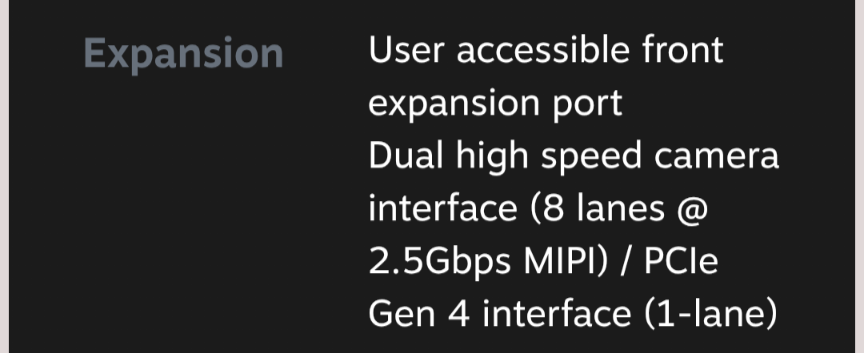
The Frame’s big feature is the PciX for a camera pass through upgrade module as that will allow for MR and that was a good cost decision and of course though it will definitely impact battery life though once in use.
With the size of games these days the internal storage should be 512g. Yes you can use a much slower microSD expansion that will also impact performance. But then again maybe one will be able to hack upgrade the internal ssdd like was fine one th steam deck. Though if course not likely as easy as it was in it.
I don’t see epic AAA games on Quests XRs chips, after Q1→Q2→Q3 we just got slight bump in res, textures etc, and it lags in most cases everybody uses hacks like static foveated rendering, reprojections, everybody avoids open space games etc. We also need to take into account GPU load on distortion correction increased res, CPU/GPU load for decode/encode, multitasking, cameras streams, tracking etc.
To run panels at @120hz isnt the issue, to make photon to eyes xp consistent & more fluid is the challenge, even if you have perfect panels & GPU isnt issue & you have consistent fps as well any jitter in tracking / firmware / drivers / latency ruins the experience, BSB steam tracking & especially 8kx & prev Pimaxes aren’t/werent even close to Index. You always reffer to its low res but that’s not true reason, reverb 2160 low res nowadays & it was ugly, vives & meta tracking was fine, index though is more fluid than meta’s. The evil is in details. Its pointless to argue here, you compare numbers not the actual experiences. A lot of mobile phones also have a lot of top tier socs (some China brands etc) but without polished & high efficient firmware its piece of metal & plastic, not usable. But if you start to do good coding e.g. Vivo & originOs the xp gets remarkable.
its almost 2026 & we have no real decent PCVR streaming XP, only suboptimal options like AV1 based Quest streaming & etc, while for 2D its decent, for VR its all subpar. The xp should be close to index wired one with better res, if that makes sense & without any UX friction. If thats so easy why nobody still offered this product to us while many tried. I’m very interested to try Valve’s solution + its light & comfy headset, ideal combo for an average happy VR user recipe.



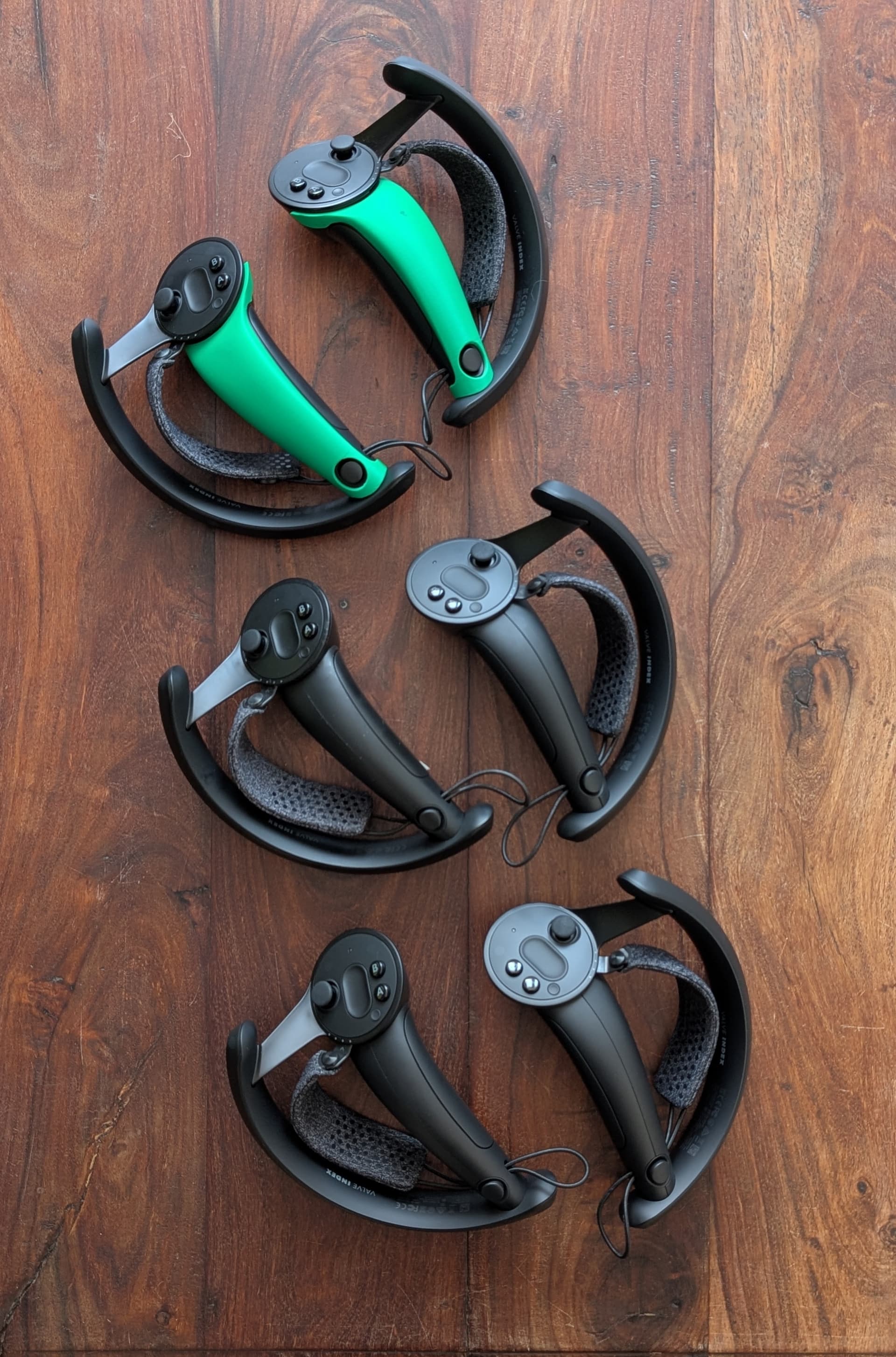
 . It was just so well engineered even though the specs were not impressive. But I feel the specs are now, relatively, even way worse. Sde + lcd is just not feasible for me in 2026. i will stick to my avp and Samsung xr